Integrative Medicine Treatment for Osteoporosis
Integrative medicine treatment for osteoporosis is a comprehensive and personalized approach that goes beyond medication. It brings together conventional medical care with supportive therapies like nutrition, lifestyle changes, targeted supplements, stress management, and physical activity. The goal is to strengthen bones, reduce fracture risk, and improve overall well-being in a sustainable way. This method is especially helpful for people who want to take an active role in managing their bone health without relying solely on drugs.
Understanding Osteoporosis and Bone Loss
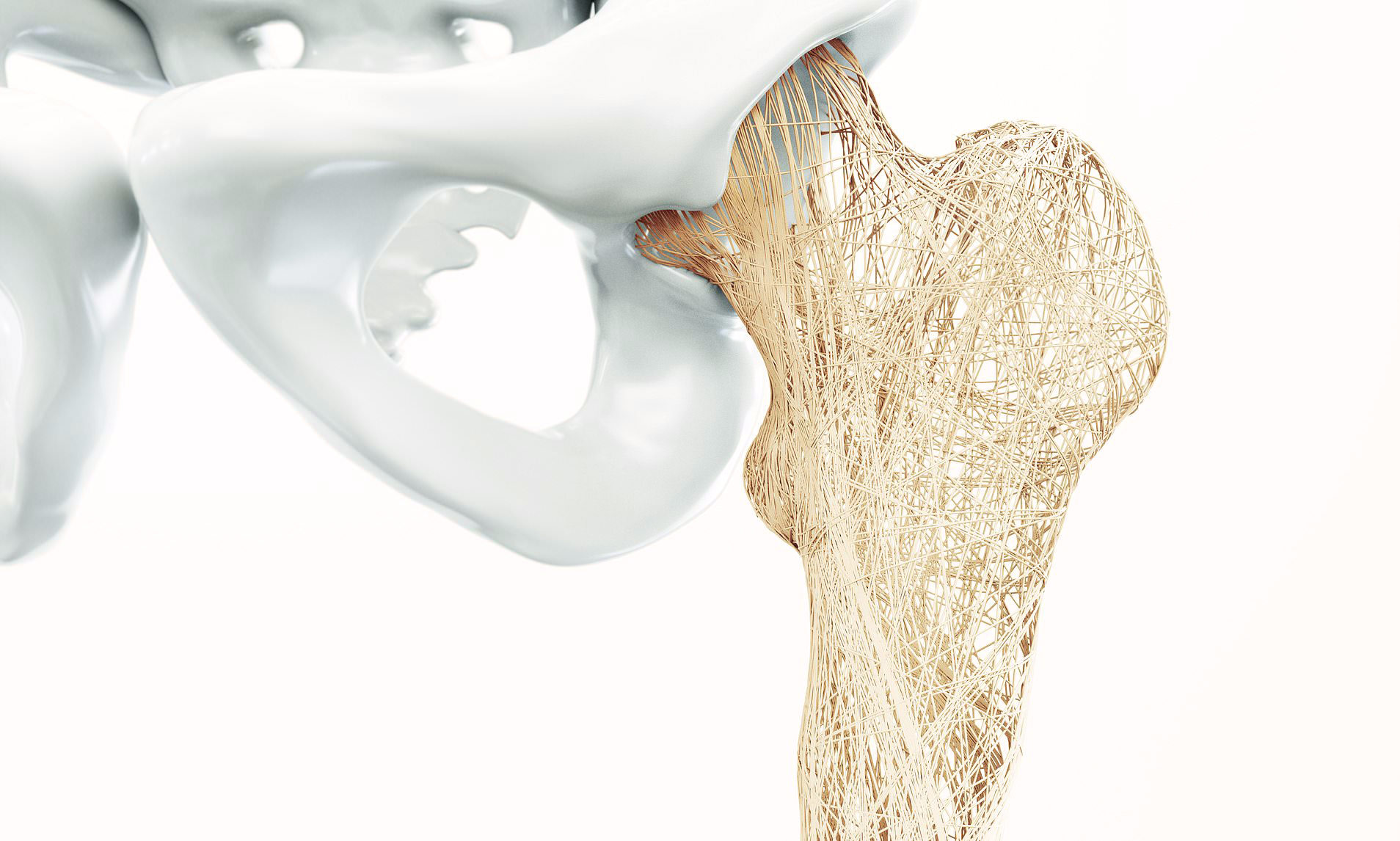
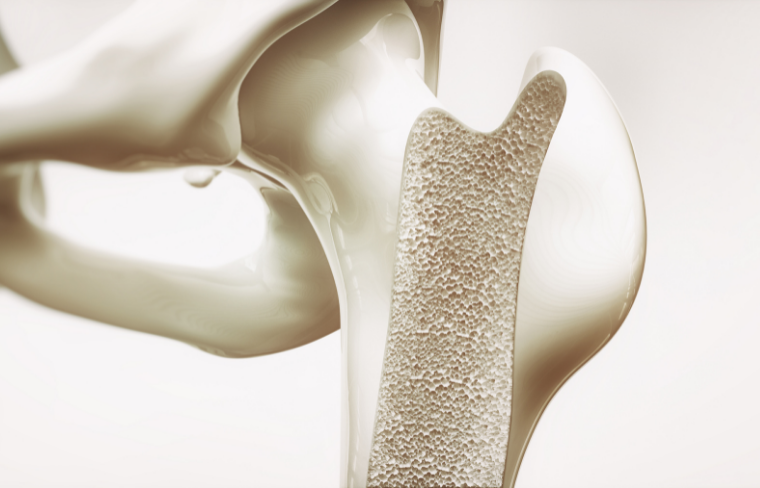
Osteoporosis is a condition where bones become weaker and more likely to break. It happens when the body loses bone faster than it can build it. This process leads to decreased bone density and strength, making bones more fragile. The most common fractures happen in the hips, spine, and wrists.
While aging is the main cause, other factors can speed up bone loss. These include low levels of physical activity, poor nutrition, hormone changes (especially after menopause), and certain medications. Osteoporosis often goes unnoticed until a fracture occurs, which is why regular screening is important for people at risk.
Early detection makes a difference. A bone density scan can identify the condition before a fracture happens. Once diagnosed, treatment should address both the symptoms and the causes behind bone loss.
👉 Related Article: How to Reduce Inflammation with Functional Medicine Strategies
How Integrative Medicine Approaches Osteoporosis
Integrative medicine uses a full-body approach to improve bone health. It looks at the person’s lifestyle, diet, physical activity, stress levels, and gut health to create a custom plan. Instead of only focusing on drugs, it adds natural strategies to support bone rebuilding and reduce further loss.
The goal is to help the body restore its own balance. For example, reducing chronic inflammation can slow down bone breakdown. Improving sleep and reducing stress can help regulate hormones that play a role in bone density. Integrative care also encourages long-term habits that protect bones over time.
By combining medical treatment with nutrition, exercise, and other natural methods, patients often see better results. They also feel more involved in their own health, which leads to better consistency and outcomes.
Nutritional Strategies to Support Bone Density
Food choices have a major effect on bone strength. A balanced diet gives the body the building blocks it needs to maintain and repair bone tissue. Without enough of the right nutrients, bones become weaker over time.
Key nutritional strategies include:
Eating enough protein to support muscle and bone repair
Choosing whole grains, vegetables, and fruits to supply vitamins and minerals
Avoiding processed foods, which can increase inflammation and calcium loss
Undereating is a common problem in older adults and can lead to both bone and muscle loss. Skipping meals or eating too little protein affects bone remodeling and increases fracture risk. Small changes in diet can have a lasting effect on bone health.
Calcium, Magnesium and Vitamin D Balance in Bone Health
Calcium, magnesium, and vitamin D are essential for healthy bones. These three nutrients work together to build and maintain bone tissue. Getting the right balance is more important than focusing on just one of them.
Calcium is the main mineral in bones. Adults need 1000-1200 mg per day from food or supplements.
Vitamin D helps the body absorb calcium. Without it, calcium is less effective.
Magnesium supports both calcium metabolism and vitamin D activation. It’s often overlooked but plays a key role.
Many people are low in one or more of these nutrients, especially older adults. Blood tests can help identify deficiencies so that the right doses can be given. Too much of any one nutrient can also cause problems, so balance matters.
👉 You Might Also Like: Top 12 Reasons to See a Functional Medicine Practitioner
Anti-Inflammatory Diet for Bone Strength
Inflammation weakens bones by speeding up bone breakdown. An anti-inflammatory diet can help protect bone density and reduce the risk of fractures. This way of eating also supports joint health and general wellness.
A good anti-inflammatory diet includes:
Fatty fish like salmon and sardines
Leafy greens such as spinach and kale
Colorful fruits like berries and oranges
Nuts, seeds, and olive oil
Whole grains and legumes
At the same time, it limits processed foods, sugary drinks, excess salt, and trans fats. Making these changes doesn't just help bones - it also benefits heart health, blood sugar, and digestion.
Herbal and Botanical Support for Osteoporosis
Some herbs may support bone health when used along with other treatments. These natural options are not replacements for medical care, but they can add extra support.
Botanicals that have been studied include:
Red clover: Contains plant-based compounds similar to estrogen
Turmeric: Has anti-inflammatory properties that can reduce bone breakdown
Horsetail: Provides silica, which may support bone and collagen health
Black cohosh: Sometimes used to manage menopause-related symptoms
Alfalfa and licorice root: May offer mild hormone-balancing effects
Not all supplements are created equal. Some may interact with medications or have side effects. Always consult a healthcare provider before starting any herbal supplement.
👉 Recommended Reading: The Difference Between Functional Medicine and Conventional Medicine
Weight-Bearing and Resistance Exercise Programs
Exercise plays a powerful role in strengthening bones. Movement helps bones rebuild by putting healthy stress on them. Over time, this leads to stronger bones and muscles.
The most effective types of exercise for bone health include:
Weight-bearing exercises like walking, dancing, or hiking
Resistance training using bands, weights, or body weight
Balance exercises such as yoga or tai chi to reduce fall risk
Doing these exercises 2-4 times per week can lead to noticeable improvements in bone density, balance, and strength. The key is consistency and progressing safely over time.
Mind Body Therapies for Pain and Mobility
Chronic pain and limited movement can lower quality of life. Mind-body therapies offer tools to improve mobility, reduce pain, and support mental well-being. They can also help with managing stress, which affects bone health.
Practices that have shown benefits include:
Yoga: Builds strength and improves flexibility
Tai chi: Enhances balance and coordination
Breathing techniques: Lower stress hormones like cortisol
These therapies are gentle and suitable for people of all ages. When included in a full treatment plan, they improve both physical and emotional resilience.
Gut Health and Nutrient Absorption in Osteoporosis
A healthy gut helps the body absorb nutrients that support bones. When the digestive system isn’t working well, even a good diet may not be enough. Gut imbalances can also increase inflammation, which weakens bones.
Signs of poor gut health include bloating, irregular bowel movements, fatigue, and skin issues. Improving gut function involves:
Eating more fiber from fruits, vegetables, and whole grains
Including fermented foods like yogurt, kefir, or kimchi
Considering probiotics with strains that support bone health
Good digestion means better absorption of calcium, magnesium, and other key nutrients. Supporting the gut helps the whole body function better, including the bones.
👉 Explore Further: Anti-Inflammatory Diet Do’s and Don’ts for Gut Health
Hormonal Factors and Bone Health Evaluation
Hormones control how quickly bones are broken down and rebuilt. Changes in hormones like estrogen, testosterone, and thyroid hormones can affect bone strength. This is especially true after menopause or during aging.
Testing hormone levels can reveal hidden causes of bone loss. If an imbalance is found, treatment may include lifestyle changes, supplements, or hormone therapy. These steps can slow bone loss and improve the effectiveness of other treatments.
It’s also important to evaluate vitamin D and parathyroid hormone (PTH) levels. These directly affect calcium balance in the body and influence bone health.
Supplements Commonly Used in Integrative Treatment
Supplements can help fill in the gaps when diet alone isn’t enough. The goal is to support natural bone repair and prevent further loss. Always choose high-quality products and follow guidance from a qualified provider.
Common supplements used in integrative care include:
Calcium: For bone strength and structure
Vitamin D3: Helps the body absorb and use calcium
Magnesium: Supports muscle and nerve function, helps regulate calcium
Vitamin K2: Directs calcium into bones and away from arteries
Zinc: Supports bone growth and repair
Boron: Helps the body use other minerals more effectively
Taking too many supplements without testing can do more harm than good. The right combination depends on the individual’s lab results, diet, and overall health.
Monitoring Bone Mineral Density and Treatment Response
Tracking progress is key to successful osteoporosis care. Bone density scans, usually done with a DXA machine, show whether treatments are working. Scans are typically repeated every 1–2 years, depending on risk.
Other ways to track progress include:
Blood tests for vitamin D, calcium, magnesium, and inflammatory markers
Reviewing physical performance like strength and balance
Monitoring changes in symptoms such as pain or mobility
Regular follow-up helps adjust the treatment plan as needed. It ensures that both conventional and integrative strategies are delivering results.
When to Combine Integrative and Conventional Therapies
Using integrative and conventional care together often leads to better outcomes. Medications can help prevent fractures and slow bone loss. But they work best when combined with strategies that improve overall health.
People with moderate to severe osteoporosis may need both types of treatment. Integrative care supports the body’s ability to respond to medication and reduces side effects by improving nutrition, gut health, and lifestyle factors.
A team-based approach that includes doctors, dietitians, therapists, and other specialists provides the most complete care. Each part of the plan supports the others.
Contact BTK for Osteoporosis Treatment Today
BTK offers integrative, evidence-based osteoporosis treatment built around your unique needs. Our team of experts combines medical care with natural strategies to build stronger bones and a healthier future. We provide full evaluations, custom nutrition and supplement plans, exercise programs, hormone testing, and more. Every plan is tailored to your goals and health history. If you're looking for a better way to manage osteoporosis, contact BTK today to schedule a consultation and take the first step toward stronger bones and improved quality of life.