Best and Cheapest Countries for Lupus Treatment
The best and cheapest countries for lupus treatment are not always the same countries that offer the best long-term value. Some destinations seem affordable at the first consultation stage, but the total cost can increase once follow-up visits, testing, and supportive care are added. For this reason, patients comparing treatment abroad usually need to assess both price and care structure.
This matters in lupus because the condition often affects daily life beyond routine lab monitoring. Patients may deal with fatigue, joint pain, skin sensitivity, digestive complaints, and fluctuating symptom intensity. A useful country comparison should therefore look at how each destination supports diagnosis review, symptom management, and long-term follow-up.
👉 Related Article:Lupus Treatment Abroad: Integrative Treatment at BTK ClinicWhat Are the Best and Cheapest Countries for Lupus Treatment?
The best and cheapest countries for lupus treatment vary depending on the type of care a patient needs. Some countries work well for routine specialist review and standard monitoring. Others become more relevant when patients want a broader and more organized treatment pathway.
In this comparison, Azerbaijan, Turkey, Spain, Greece, and the UAE stand out for different reasons. The main differences usually appear in cost, private care access, and treatment depth.
Azerbaijan
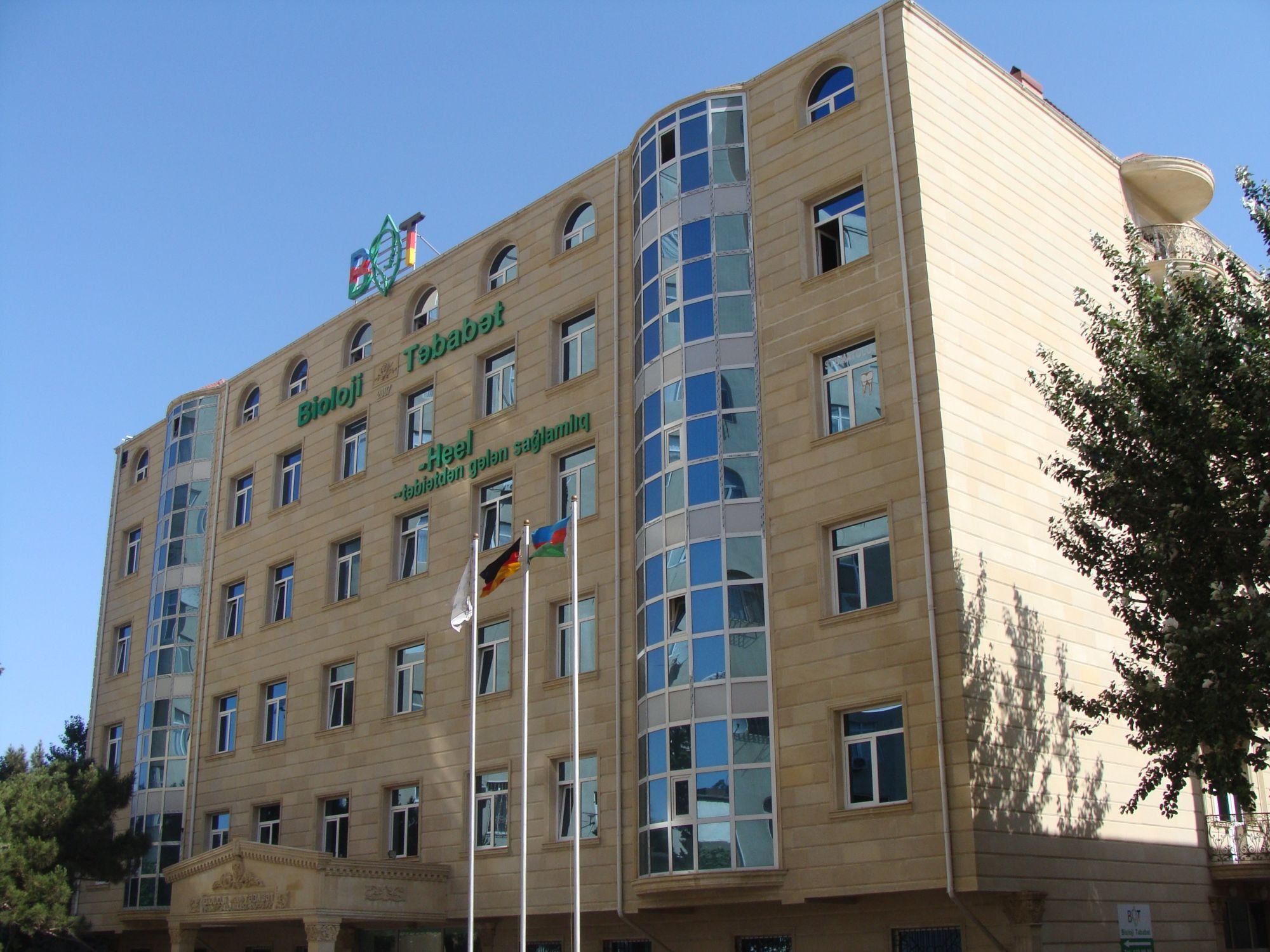
Azerbaijan can be a strong option for patients who want both affordability and a broader treatment perspective. Its relevance increases when the patient is not only looking for standard autoimmune monitoring, but also for a care model that addresses the wider effects of lupus on the body. This gives Azerbaijan a more distinct role in the comparison.
At BTK Clinic, our approach to lupus treatment does not stop at isolated symptom review or short-term disease tracking. Lupus often affects patients through fatigue, joint pain, digestive strain, skin sensitivity, reduced resilience, and a broader inflammatory burden that can continue to affect daily life even when standard monitoring exists. In our clinic, we evaluate these wider patterns within an integrative and functional medicine framework.
This matters because lupus management often becomes fragmented. One part of care focuses on inflammation, another on medication control, and another on symptom relief, yet the patient may still feel physically limited over time. An integrative medicine approach can be useful here because it allows the treatment plan to consider the patient’s broader physiological burden rather than reducing care to a narrow response model.
For lupus, this may offer several practical advantages:
Better attention to system-wide symptom patterns, not only the main diagnosis
A more structured review of fatigue, digestive issues, nutritional strain, and general function
More room for supportive strategies that aim to reduce overall health burden
A treatment pathway that can feel more coordinated over time
Better long-term value when patients need more than repeated isolated reviews
At BTK Clinic, this broader perspective matters because lupus does not usually behave like a single-issue condition. A narrow model may control one part of the problem while leaving the patient with persistent functional limitations. A more integrative structure can therefore be useful for patients who want the treatment plan to reflect the full clinical picture more clearly.
Azerbaijan may be attractive because of:
More manageable overall treatment costs
Lower travel and accommodation expenses
Access to a broader integrative care model
Better fit for patients comparing long-term value
A more practical balance between cost, treatment depth, and supportive care potential
The main advantage is not simply lower pricing. It is the possibility of combining relative affordability with a care model that can look at lupus in a more complete and more usable way.
Turkey
Turkey remains one of the most established medical travel destinations in the region. It offers broad private healthcare access, specialist availability, and moderate pricing compared with higher-cost countries. This makes it a practical option for routine rheumatology review and standard follow-up.
For lupus treatment, Turkey usually suits patients who want private specialist care in a well-developed healthcare market. Its main strength is accessibility rather than a clearly differentiated care philosophy. Patients seeking conventional monitoring may find this structure sufficient.
👉 You Might Also Like:Autoimmune Disease Treatment with Functional MedicineSpain
Spain offers a stable private healthcare environment and a familiar option for many international patients. It may suit those who value predictable care standards, travel comfort, and easier access within Europe. These strengths often relate more to convenience than affordability.
For lupus treatment, Spain usually functions better as a reliable private-care destination than as a budget-focused one. Costs can rise once specialist review, repeated testing, and longer follow-up are included. This makes Spain more suitable for patients who prioritize setting and consistency.
Greece
Greece often sits between lower-cost regional destinations and more expensive Western European markets. It can be a practical option for patients who want private care in a European setting without entering the highest pricing range. This gives Greece value for shorter treatment trips and standard monitoring.
For lupus treatment, Greece usually works best for routine consultations and private follow-up. It offers balance, but it does not always stand out in treatment model. Its role in this comparison is moderate rather than leading.
UAE
The UAE offers premium private healthcare access, fast scheduling, and strong international patient infrastructure. It may appeal to patients who prioritize convenience, service coordination, and high-end clinical settings. This is especially relevant for those already based in the Gulf region.
The main limitation is cost. The UAE rarely ranks among the cheapest options for lupus treatment, and total spending can increase quickly once specialist care and repeated monitoring are added. It generally suits convenience-focused patients more than budget-focused ones.
Why Do Patients Travel Abroad for Lupus Treatment?
Patients travel abroad for lupus treatment because local care may not always feel accessible, affordable, or sufficiently coordinated. In some healthcare systems, specialist appointments take time, private consultations cost more, and long-term follow-up can feel fragmented. These factors often push patients to compare international options.
Another reason involves treatment structure. Lupus often requires more than occasional specialist review. Patients may need clearer disease monitoring, broader symptom evaluation, and a more organized long-term plan. This is why treatment abroad often becomes a search for both value and clarity.
How Much Does Lupus Treatment Cost Abroad in 2026?
The cost of lupus treatment abroad in 2026 ranges from $4,000 to $14,000, depending on the country, treatment scope, diagnostic needs, follow-up intensity, and length of stay.
Azerbaijan and Turkey may offer more accessible overall treatment costs, Greece may sit in the middle range, and Spain and the UAE often trend higher. The strongest cost comparison should therefore focus on total treatment value, not isolated line items.
What Is Usually Included in Lupus Treatment Programs Abroad?
A lupus treatment program abroad usually includes more than one appointment, but the exact structure differs between clinics. Some programs remain limited to consultation and standard tests. Others include broader symptom review, medical history assessment, and treatment planning.
Patients should check whether the program includes:
Initial physician consultation
Review of diagnosis and symptoms
Blood tests or monitoring panels
Medication review
Follow-up consultation
Supportive care recommendations
International patient coordination
This matters because treatment budgets often become inaccurate when the original quote excludes important items. A stronger comparison starts with what the clinic includes, not just the first listed fee.
Can Lupus Be Managed with an Integrative Medicine Approach?
Lupus can be managed with an integrative medicine approach as part of a broader care strategy. This does not replace standard medical oversight. Instead, it expands the treatment frame by considering inflammation burden, nutritional status, digestive health, general resilience, and other factors that affect daily function.
This approach becomes relevant when routine monitoring does not fully address symptom burden or long-term wellbeing. In those cases, integrative care may help create a more structured and individualized management plan. Its value depends on whether the clinic applies it in a clear and clinically reasoned way.
An integrative approach may involve:
Detailed symptom and history review
Broader interpretation of contributing factors
Nutritional and supportive assessment
Individualized planning
Ongoing review based on patient response
👉 Recommended Reading: How to Reduce Inflammation with Functional Medicine Strategies
How Does BTK Clinic Approach Lupus Treatment?
At BTK Clinic, our approach to lupus treatment centers on a broader and more patient-specific framework. Instead of limiting care to isolated symptom review, we assess the wider condition pattern and the factors that may affect long-term disease management. This helps create a more organized treatment pathway.
In practice, this matters because lupus patients often present with overlapping issues that affect treatment quality and everyday function. At our clinic, we evaluate these wider factors within an integrative and functional medicine perspective. The aim is to support a more complete clinical picture rather than a narrow short-visit model.
The BTK Clinic approach may include:
Detailed symptom and medical history review
Broader assessment of systemic and supportive factors
Personalized treatment planning
A more holistic clinical perspective
Structured follow-up logic where appropriate
Why Consider BTK Clinic in Azerbaijan for Lupus Treatment?
Patients may consider BTK Clinic in Azerbaijan when they want a destination that combines relative affordability with a broader integrative care model. This balance can matter in lupus management because long-term value depends not only on specialist access, but also on how complete and coordinated the treatment pathway feels.
At BTK Clinic, our position in Azerbaijan creates a different value profile from premium-cost destinations. For international patients, this can make the clinic relevant when they want broader care without entering the highest treatment and travel cost bracket. The practical advantage lies in combining cost control with a more whole-body treatment structure.
How to Choose the Best Country for Lupus Treatment in 2026
The best country for lupus treatment in 2026 depends on the kind of care the patient needs. Some patients mainly want affordable private specialist follow-up. Others want a broader care pathway with more individualized planning and stronger long-term structure.
A useful comparison starts with treatment goals first and country choice second. Patients usually make better decisions when they compare not only price, but also treatment scope, follow-up, and care model.
Patients can compare options more accurately by checking:
Whether the clinic offers standard or broader care
What the treatment pathway actually includes
How follow-up works after travel
Whether the total cost stays realistic
Whether the destination matches the intended treatment depth
The strongest choice is usually the one that combines realistic cost with the right treatment structure.