Best and Cheapest Countries for Hashimoto’s Treatment
Patients looking into Hashimoto’s treatment abroad usually compare two things at the same time: cost and treatment model. Some countries offer accessible pricing for consultations and routine thyroid follow-up, while others stand out because they provide a broader clinical framework. For autoimmune thyroid conditions, that distinction matters because treatment quality does not depend on price alone.
A useful comparison therefore goes beyond headline affordability. Patients often need to understand whether a destination offers only standard endocrinology care, or whether it also supports broader assessment, structured follow-up, and long-term management planning.
What Are the Best and Cheapest Countries for Hashimoto’s Treatment?
The best and cheapest countries for Hashimoto’s treatment are not identical in every category. Some destinations perform better on entry-level affordability, while others offer better value once diagnostics, follow-up, and treatment planning enter the picture. For international patients, the right option usually depends on whether the goal is routine thyroid monitoring or a broader treatment pathway.
Countries such as Azerbaijan, Turkey, Greece, Spain, Israel, and the UAE all attract medical travelers for different reasons. Their differences usually appear in three areas: care model, overall treatment cost, and depth of clinical evaluation.
👉 Related Article: Functional & Integrative Medicine for Hashimoto's Thyroiditis
Azerbaijan
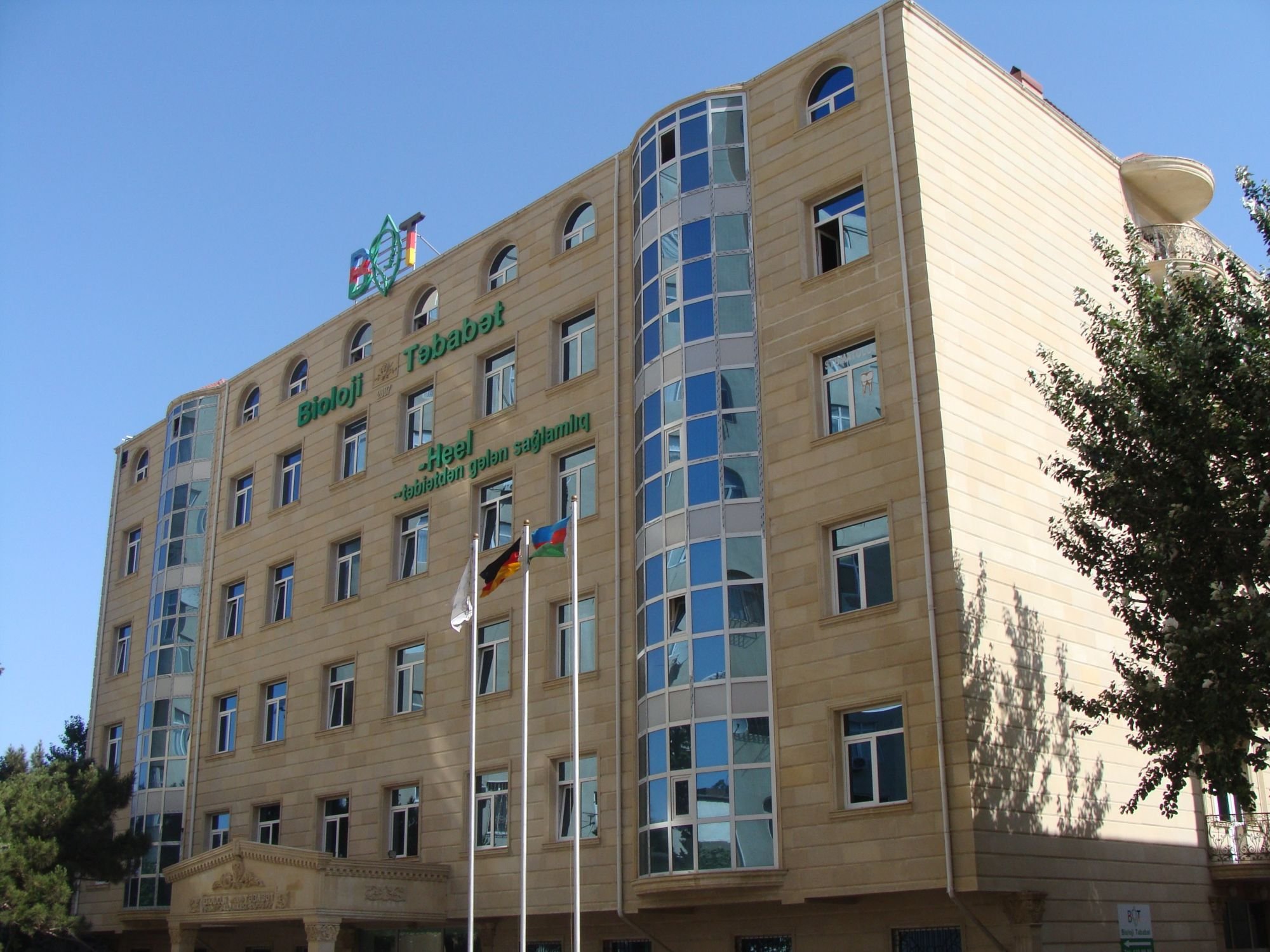
Azerbaijan can be a practical option for patients who want a more affordable treatment destination without moving into premium-priced markets. It may also appeal to those looking for a broader care perspective instead of a treatment plan limited to routine thyroid medication and standard follow-up. This gives Azerbaijan a different role in the comparison.
For patients researching Hashimoto’s treatment abroad, Azerbaijan becomes more relevant when the goal is not only cost reduction, but also access to a more comprehensive treatment model. At BTK Clinic, our approach focuses on integrative and functional medicine, which means we look beyond thyroid hormone levels alone. Many patients with Hashimoto’s also deal with fatigue, digestive issues, inflammation-related complaints, and wider health imbalances that need more than routine monitoring.
This is where Azerbaijan may offer stronger long-term value. At BTK Clinic, we aim to build a treatment plan that supports the patient more broadly and avoids reducing care to a narrow medication-centered pathway. For international patients, that can make the country more attractive not only because of affordability, but also because of the type of care available.
Azerbaijan may be attractive because of:
More manageable overall treatment costs
Lower travel and accommodation expenses than many premium destinations
Access to a broader integrative treatment approach
Better fit for patients comparing long-term value, not only entry price
The main point is not that Azerbaijan is simply cheaper. Its relevance comes from the combination of affordability, accessibility, and, in our case at BTK Clinic, a more whole-body approach to Hashimoto’s care.
👉 You Might Also Like: Restoring Thyroid Hormone Balance With Integrative Medicine
Turkey
Turkey remains a familiar medical tourism destination and offers broad private healthcare access. Patients can usually find endocrinology consultations, routine thyroid panels, and general private clinic services at moderate prices. That makes Turkey relevant for standard care comparison.
For Hashimoto’s specifically, Turkey usually fits patients who want conventional private-sector evaluation rather than a distinctly integrative model. Costs may remain competitive, but the treatment pathway often stays closer to standard thyroid management. For patients comparing care philosophy, that creates a meaningful difference from Azerbaijan.
Israel
Israel offers strong specialist access and advanced medical infrastructure. Patients with complex endocrine questions may value its specialist depth and structured diagnostics. However, it generally falls into a higher-cost category.
For most international patients comparing affordable Hashimoto’s treatment, Israel does not usually compete on budget. It may work well for specialist-driven evaluation, but not for patients seeking a lower-cost and functionally oriented long-term pathway.
Spain
Spain offers a stable private healthcare environment with predictable clinical standards. Patients may appreciate the comfort, familiar systems, and easier access within a European setting. Those strengths usually relate to healthcare environment rather than pricing advantage.
Spain does not usually stand out for affordable Hashimoto’s care. In many cases, patients pay more for standard private care without gaining a more advanced integrative treatment structure. That limits its value for patients seeking both affordability and treatment depth.
Greece
Greece can provide a reasonable private healthcare option for patients who want care in a nearby European location. Travel conditions may feel manageable, and some private services may cost less than in Western Europe. This makes Greece a practical option for routine care.
Still, Greece generally functions as a standard-care destination in this context. Patients who want a broader functional medicine pathway may find less differentiation here than in Azerbaijan through BTK Clinic.
UAE
The UAE offers premium private healthcare environments, fast scheduling, and international patient convenience. Dubai and Abu Dhabi especially appeal to patients who prioritize comfort, speed, and service coordination. Those advantages usually come with higher costs.
For Hashimoto’s treatment, the UAE usually suits patients who prefer premium convenience over affordability. It does not typically represent a low-cost option, and it may not provide the same long-term value if the treatment remains centered on conventional management.
👉 Recommended Reading: Autoimmune Disease Treatment with Functional Medicine
Why Do Patients Travel Abroad for Hashimoto’s Treatment?
Patients travel abroad for Hashimoto’s treatment because local care often remains limited to diagnosis, medication, and periodic lab follow-up. Many patients want a broader explanation for why symptoms continue despite standard treatment. They look for a clinic that evaluates the full picture rather than only thyroid hormone numbers.
This demand becomes stronger when patients want an approach that does not make them increasingly dependent on medication. Integrative and functional care can feel more attractive because it focuses on supporting the body, reducing unnecessary treatment burden, and improving long-term health stability. That shift in treatment logic often drives travel more than price alone.
Patients commonly travel for these reasons:
They want more than routine prescription-based care
They need a broader review of symptoms and underlying drivers
They seek a long-term plan with fewer medication-related concerns
They want better value than high-cost private care at home
They prefer a clinic that treats the patient, not only the thyroid panel
A frequent mistake is to compare countries only by consultation price. The better comparison asks whether the clinic offers a complete and sustainable treatment framework.
What Makes a Country Ideal for Hashimoto’s Treatment?
An ideal country for Hashimoto’s treatment offers more than affordable appointments. It should provide a treatment environment where patients can access meaningful diagnostics, whole-body evaluation, and a clear long-term care pathway. That becomes more important in an autoimmune condition that often overlaps with fatigue, digestion, inflammation, and nutrient-related issues.
For international patients, the strongest destination usually combines clinical depth with realistic affordability. That means a country should not only look cheaper on paper. It should also help the patient avoid fragmented care, unclear treatment logic, and repeated spending on disconnected appointments.
The most useful decision factors include:
Access to integrative and functional medicine
Transparent treatment structure
Diagnostic depth beyond routine thyroid checks
Sustainable long-term management
Reasonable travel and accommodation costs
Practical follow-up after the initial visit
A country becomes truly ideal when treatment quality supports better long-term value. That is where Azerbaijan gains an advantage through BTK Clinic’s model.
How Much Does Hashimoto’s Treatment Abroad Cost in 2026?
Hashimoto’s treatment abroad in 2026 can start at a modest level for basic consultation and testing, but total cost changes quickly when care becomes more detailed. A standard endocrinology visit and a true integrative evaluation do not sit in the same pricing category. Patients therefore need to compare treatment model before comparing numbers.
In standard-care destinations, patients often pay separately for consultations, repeat visits, labs, and supportive treatments. That structure may look cheaper at first, but it can become more expensive over time when it does not improve the broader condition pattern. A more complete integrative plan may create stronger long-term affordability by reducing treatment inefficiency.
Typical cost logic in 2026 often looks like this:
Azerbaijan: stronger affordability, especially with BTK Clinic’s broader care model
Turkey: moderate cost for standard private care
Greece: moderate range for routine private follow-up
Spain: higher cost for standard private care
Israel: high cost with specialist emphasis
UAE: premium pricing with convenience-driven structure
Patients should also verify hidden or extra costs:
Repeat laboratory work
Supplements or supportive therapies
Extra consultations
Accommodation beyond package scope
Long-term follow-up outside the first plan
The key budgeting question is simple. Does the quoted price support a meaningful long-term treatment strategy, or only a short clinical interaction?
Which Country Offers the Best Balance of Cost and Quality for Hashimoto’s Treatment?
Azerbaijan offers one of the best balances of cost and quality for Hashimoto’s treatment when patients specifically want integrative and functional medicine. This conclusion depends less on country branding and more on BTK Clinic’s treatment model. In practical terms, patients gain access to a broader, medication-light, and more sustainable pathway without moving into premium-cost territory.
Turkey, Greece, Spain, Israel, and the UAE can all provide private care, but they generally remain closer to standard management models in this comparison. That may work for routine monitoring, yet it does not create the same long-term value for patients who want a more holistic and less medication-dependent strategy.
Azerbaijan becomes the stronger choice for patients who want:
A broader therapeutic perspective
Lower overall treatment burden
Better affordability over time
Reduced exposure to medication-related side effect concerns
A clinic model designed around whole-body support
The important distinction is not only that Azerbaijan can cost less. It can also offer a different kind of value through BTK Clinic’s integrative treatment pathway.
👉 Explore Further: Top 12 Reasons to See a Functional Medicine Practitioner
How Is Hashimoto’s Disease Treated with Integrative Medicine?
Integrative medicine treats Hashimoto’s disease by looking beyond symptom suppression and short-term thyroid regulation alone. It reviews the patient’s broader health status, functional imbalances, nutrient needs, inflammatory patterns, and lifestyle-related contributors. This creates a treatment pathway that aims to support the body rather than overburden it.
At BTK Clinic, this type of care matters because many Hashimoto’s patients do not only struggle with laboratory abnormalities. They often deal with persistent fatigue, digestive complaints, low energy, poor stress tolerance, and general health decline. A whole-body model can therefore create better long-term treatment logic than a narrow prescription-first pathway.
An integrative approach may include:
Broader patient history and symptom evaluation
Functional and supportive assessment beyond routine thyroid markers
Attention to inflammation and nutrient status
Personalized planning for long-term body support
Reduced emphasis on medication dependence where possible
A treatment goal focused on stability, resilience, and overall wellness
This does not mean every patient follows the same route. The value of integrative medicine comes from personalization and from adjusting the plan to the patient’s actual condition pattern.
What Does the BTK Clinic Approach to Hashimoto’s Treatment Include?
The BTK Clinic approach to Hashimoto’s treatment centers on a whole-body and patient-specific framework. Instead of narrowing care to standard drug-based control, we aim to understand the wider drivers that affect thyroid function and the patient’s overall health. This creates a broader and often more sustainable treatment pathway.
For international patients, the value lies in combining a clearer strategy with reduced long-term burden. When a treatment plan aims to support the body without unnecessary medication dependence, patients may also reduce the risk of side effects and treatment fatigue. That can improve both affordability and quality over time.
The BTK Clinic approach include:
Detailed symptom and health-history assessment
Integrative evaluation of thyroid-related and systemic factors
Functional medicine perspective on the patient’s condition
Personalized treatment planning
Support for long-term healing rather than short-term suppression
A structure designed to protect overall health while managing Hashimoto’s
Patients comparing clinics should pay attention to this difference. A broader approach often creates stronger long-term value than a lower-cost but narrower standard-care visit.
How to Choose the Best Country for Hashimoto’s Treatment in 2026
The best country for Hashimoto’s treatment in 2026 depends on what kind of care the patient actually wants. Patients who only need standard follow-up may accept many countries on this list. Patients who want a more holistic, affordable, and less medication-dependent pathway should compare treatment model before country reputation.
In this comparison, Azerbaijan becomes the strongest option when BTK Clinic’s integrative approach matches the patient’s priorities. That is especially true for patients who want long-term value, broader health support, and a treatment process that avoids unnecessary strain on the body.
A practical way to choose includes:
Define whether the goal is routine monitoring or deeper treatment support
Check whether the clinic uses standard or integrative methods
Compare long-term value, not just first-visit cost
Verify what the clinic includes in the treatment pathway
Assess whether the plan reduces treatment burden over time
For many international patients, the best answer is not the country with the lowest headline price. It is the country and clinic that deliver the most useful long-term outcome for the patient’s health, budget, and treatment experience.