Hyperthermia Therapy for Cancer: A Guide to Heat-Based Treatment
Standard cancer protocols like chemotherapy and radiation often reach a limit in their ability to destroy tumors without causing excessive damage to the patient. Many patients find themselves in a difficult cycle where the treatment stops yielding results, yet the cancer continues to progress or recur. This plateau creates a desperate need for adjunctive therapies that can break through tumor resistance and improve the efficacy of conventional medicine. Hyperthermia therapy addresses this gap by using controlled heat to sensitize cancer cells, making them more vulnerable to treatment and stimulating the body's immune response.
👉 Related Article: How Much Does Hyperthermia Treatment Cost? (2026)
What Is Hyperthermia Therapy for Cancer, and How Does It Work?
Hyperthermia therapy involves exposing body tissue to high temperatures, typically ranging between 104°F and 113°F (40°C to 45°C). Medical professionals use external or internal energy sources to raise the temperature of the tumor mass or the entire body. The heat damages proteins and structures within the cancer cells, causing the cells to shrink or die. This process differs significantly from high-temperature ablation which uses extreme heat to burn and destroy tissue immediately.
Research shows that high temperatures alter the conditions within the tumor environment. The heat causes blood vessels to dilate which increases blood flow to the area. This increased circulation brings more oxygen to the oxygen-deprived (hypoxic) tumor cells. Since radiation therapy requires oxygen to kill cells effectively, hyperthermia makes radiation more potent.
How Does Hyperthermia Kill Cancer Cells Without Harming Normal Tissue?
A fundamental difference exists between the blood vessel structure of a tumor and that of healthy tissue. Normal tissues have an organized vascular system that expands when heated, allowing heat to dissipate and the tissue to cool down. This natural cooling mechanism protects healthy organs and skin from thermal damage during therapy.
Tumors possess chaotic and disorganized blood vessels that cannot dilate effectively. When heat is applied, the heat becomes trapped inside the tumor mass because it cannot escape. This buildup of thermal energy selectively damages the cancer cells while leaving the surrounding healthy tissue largely unaffected. The inability of the tumor to regulate its temperature creates a direct pathway for cellular destruction.
What Are the Main Types of Hyperthermia Cancer Treatment
Doctors select the type of hyperthermia based on the tumor's size, location, and stage. The three primary methods ensure that the heat targets the malignancy effectively.
Local Hyperthermia: This method targets a small area, such as a tumor on the skin or within an organ. Practitioners apply heat using microwaves, radiofrequencies, or ultrasound waves.
Regional Hyperthermia: This approach heats a larger part of the body, such as an entire organ or limb. Doctors often use this for deep-seated cancers in the pelvis or abdomen, sometimes utilizing the perfusion technique to heat blood and pump it back into the region.
Whole-Body Hyperthermia: This technique treats metastatic cancer that has spread throughout the body. It mimics a high fever to activate the immune system and target circulating tumor cells.
What Is Whole-Body Hyperthermia Treatment, and When Is It Used?
Whole-body hyperthermia (WBH) addresses metastatic disease where cancer cells have spread beyond a single tumor site. The goal mimics the body's natural response to infection to stimulate immune activity. Practitioners use thermal chambers, hot water blankets, or infrared lamps to raise the patient's core body temperature to approximately 102°F–104°F.
This systemic approach serves patients with advanced cancers, such as metastatic melanoma or ovarian cancer. By raising the body's temperature, the treatment increases the permeability of cell membranes. This allows chemotherapy drugs to penetrate cancer cells more easily, potentially enhancing the response to lower doses of medication.
👉 You Might Also Like:Hyperthermia Therapy Abroad: Best Clinics, Countries, CostsIs Hyperthermia Treatment Safe?
Hyperthermia treatment is safe when performed by trained professionals in specialized facilities. The technology uses sophisticated monitoring systems to track temperatures in real-time which prevents burns or overheating. Unlike radiation, heat therapy does not carry a cumulative toxicity limit, meaning patients can undergo multiple sessions if necessary. Safety depends on precise temperature control, but adverse events are generally rare and manageable when protocols are followed correctly.
The Role of Hyperthermia in Integrative Oncology
Hyperthermia rarely functions as a standalone cure for cancer. Instead, it acts as a powerful "sensitizer" or supportive therapy within an integrative oncology plan. By weakening the tumor's structure and repair mechanisms, it amplifies the destructive power of radiation and chemotherapy.
At the BTK Clinic, we utilize this therapy as a cornerstone of our integrative protocols. We combine hyperthermia with metabolic treatments and immune support to attack the cancer from multiple angles simultaneously. The heat prevents cancer cells from repairing the DNA damage caused by cytotoxic drugs, leading to higher rates of cancer cell death while our integrative support helps maintain the patient's overall vitality.
Who Is a Good Candidate for Hyperthermia Therapy for Cancer?
Not every patient is suited for heat therapy. Doctors evaluate specific criteria to determine eligibility.
Patients with Recurrent Tumors: Individuals whose cancer has returned after standard treatments often respond well to heat therapy.
Solid Tumor Patients: Those with accessible solid tumors, such as breast, head and neck, or melanoma, are ideal candidates.
Chemotherapy Intolerant Patients: People who cannot handle high doses of toxicity can use hyperthermia to make lower drug doses more effective.
Patients with Deep-Seated Cancers: Candidates with cervical, bladder, or rectal cancer where surgery is difficult may benefit from regional heating.
Individuals with Good Cardiovascular Health: Patients must have stable heart and lung function to withstand the physical stress of heating.
What Is the Hyperthermia Cancer Treatment Success Rate?
Success rates for hyperthermia vary significantly depending on the cancer type, stage, and the primary treatment it accompanies. Clinical trials indicate that adding hyperthermia to radiation can improve local tumor control by 15% to 50% compared to radiation alone. For example, studies on recurrent breast cancer and cervical cancer show marked improvements in tumor regression.
Defining "success" usually involves measuring the reduction in tumor size or the extension of progression-free survival. It does not guarantee a total cure, but it frequently improves the quality of life and shrinks tumors that were previously non-responsive. Patients should request data specific to their cancer type rather than relying on generalized statistics.
👉 Recommended Reading: The Health Benefits of Ozone Therapy
What Are the Side Effects of Hyperthermia Cancer Treatment?
Most side effects of hyperthermia are mild and temporary compared to the severe reactions seen in chemotherapy or radiation.
Local Skin Reactions: Patients may experience temporary redness, swelling, or blistering at the site where the applicator was placed.
Discomfort During Treatment: Some individuals report a sensation of heat or pain in the treated area, which usually stops once the session ends.
Fatigue: The physical effort the body exerts to cool itself down can lead to tiredness after the procedure.
Nausea or Digestive Issues: Whole-body treatments can occasionally cause nausea, vomiting, or diarrhea due to the systemic rise in temperature.
Cardiovascular Stress: Elevated heart rate is common during the session, similar to the effects of moderate exercise.
Hyperthermia Treatment for Breast Cancer
Breast cancer, particularly recurrent chest wall tumors, represents one of the most common applications for local hyperthermia. Standard radiation often cannot be repeated on the chest wall due to toxicity risks. Hyperthermia offers a non-toxic alternative to target these recurrences without damaging the lungs or heart.
Clinical studies demonstrate that combining hyperthermia with radiation for superficial breast tumors results in higher complete response rates. The heat targets the chest wall effectively because the tissue is accessible. This application provides a viable option for patients who have exhausted other local control methods.
Hyperthermia Treatment for Prostate Cancer
Doctors utilize hyperthermia for prostate cancer through transurethral or interstitial methods. Probes inserted into the prostate gland deliver precise heat to the tumor while protecting the surrounding urethra and rectum. This method is often paired with brachytherapy (internal radiation seeds).
The heat increases oxygenation in the prostate tissue, making the cancer cells more susceptible to radiation damage. This combination has shown promise in reducing prostate-specific antigen (PSA) levels more effectively than radiation alone. It serves as an option for patients seeking to minimize the risk of incontinence or impotence associated with surgery.
Which Cancers Respond Best to Hyperthermia Therapy?
Certain malignancies show higher sensitivity to heat-based treatments due to their location and blood supply.
Cervical Cancer
Head and Neck Cancers
Soft Tissue Sarcomas
Melanoma
Recurrent Breast Cancer
Bladder Cancer
👉 Helpful Resource: Top 7 Advantages and Disadvantages of Integrative Medicine
Hyperthermia Combined With Radiation or Chemotherapy
The synergy between heat and conventional treatments drives the effectiveness of hyperthermia. When combined with radiation, heat interferes with the cancer cell's ability to repair DNA strand breaks. This turns sublethal radiation damage into lethal damage for the tumor.
When paired with chemotherapy, heat increases blood flow to the tumor, delivering a higher concentration of the drug directly to the malignancy. Furthermore, heat makes the cell membrane more porous. This allows drugs like cisplatin or mitomycin-C to enter the cell more easily and destroy it from the inside.
How Many Sessions Are Needed, and What Happens During a Hyperthermia Treatment Session?
A standard treatment course usually involves one to two sessions per week, lasting for four to six weeks. Each session typically takes 60 minutes, excluding preparation time. The schedule aligns closely with the patient's radiation or chemotherapy appointments to maximize synergy.
During a session, the patient lies comfortably on a treatment bed. Technicians place applicators or heating pads over the tumor site, often using a water bolus to cool the skin surface. Sensors monitor the temperature continuously to ensure the target tissue reaches the therapeutic range of 40-43°C while the patient remains awake and communicative.
How Much Does Hyperthermia Treatment Cost?
The cost of hyperthermia treatment can be a significant barrier for many patients, especially in Western countries where sessions can run into thousands of dollars. However, affordable options for world-class care exist. At the BTK Clinic in Azerbaijan, we provide high-quality hyperthermia treatments that adhere to international medical standards without the prohibitive costs found elsewhere.
Our facility focuses on making this critical integrative therapy accessible. By choosing the BTK Clinic, patients receive cutting-edge care from experienced specialists at a fraction of the price of US or European alternatives. We believe financial constraints should not prevent a patient from accessing the best possible cancer care.
What Questions Should You Ask Before Starting Hyperthermia Therapy for Cancer?
Patients must verify the experience and technology of any clinic offering hyperthermia. Not all heating devices deliver the precise thermal dose required for clinical efficacy.
"Is the hyperthermia equipment clinically validated for my type of cancer?"
"How do you monitor the temperature inside the tumor during the treatment?"
"What is your facility's experience treating my specific type of cancer with heat?"
"How will you coordinate this therapy with my current oncologist or radiation therapist?"
"What are the specific risks regarding my current health status and tumor location?"
Why Choose BTK Clinic for Hyperthermia Therapy?
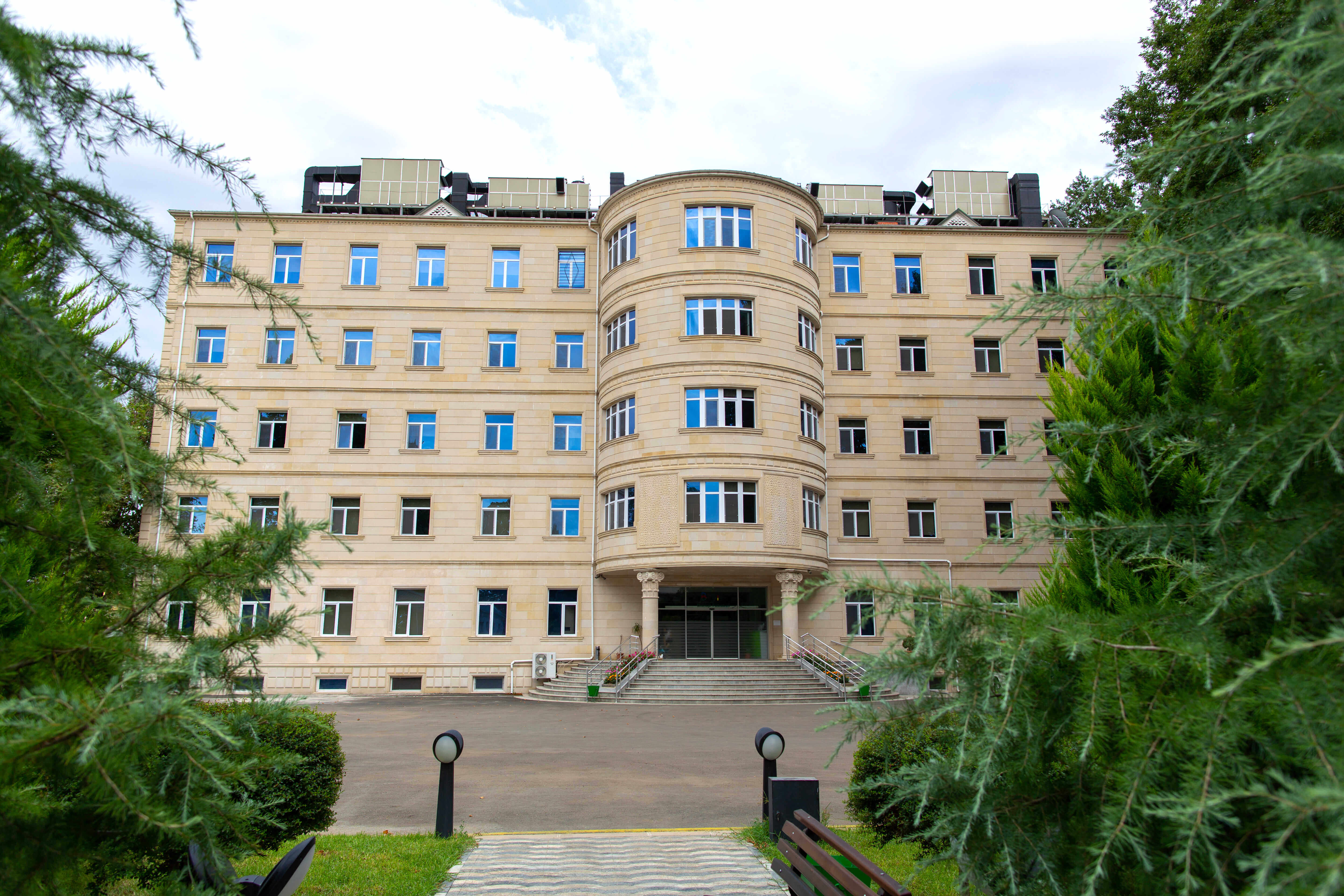
Hyperthermia therapy is a newly introduced treatment option at BTK Clinic, now available as part of our growing commitment to advanced, integrative cancer care. Patients receive individualized attention from a multidisciplinary team using certified equipment and clinical protocols aligned with international standards. If you are exploring supportive therapies for cancer, contact BTK Clinic to learn how this innovative method can be safely and effectively integrated into your treatment plan.