Diabetic foot syndrome is one of the most severe and dangerous complications of diabetes. In many cases, this diagnosis is presented to patients as if amputation is inevitable. However, the possibilities of modern medicine, especially the integrative medicine approach, show that with proper and comprehensive treatment, it is possible to prevent amputation.
Why does diabetic foot develop and why does it not heal?
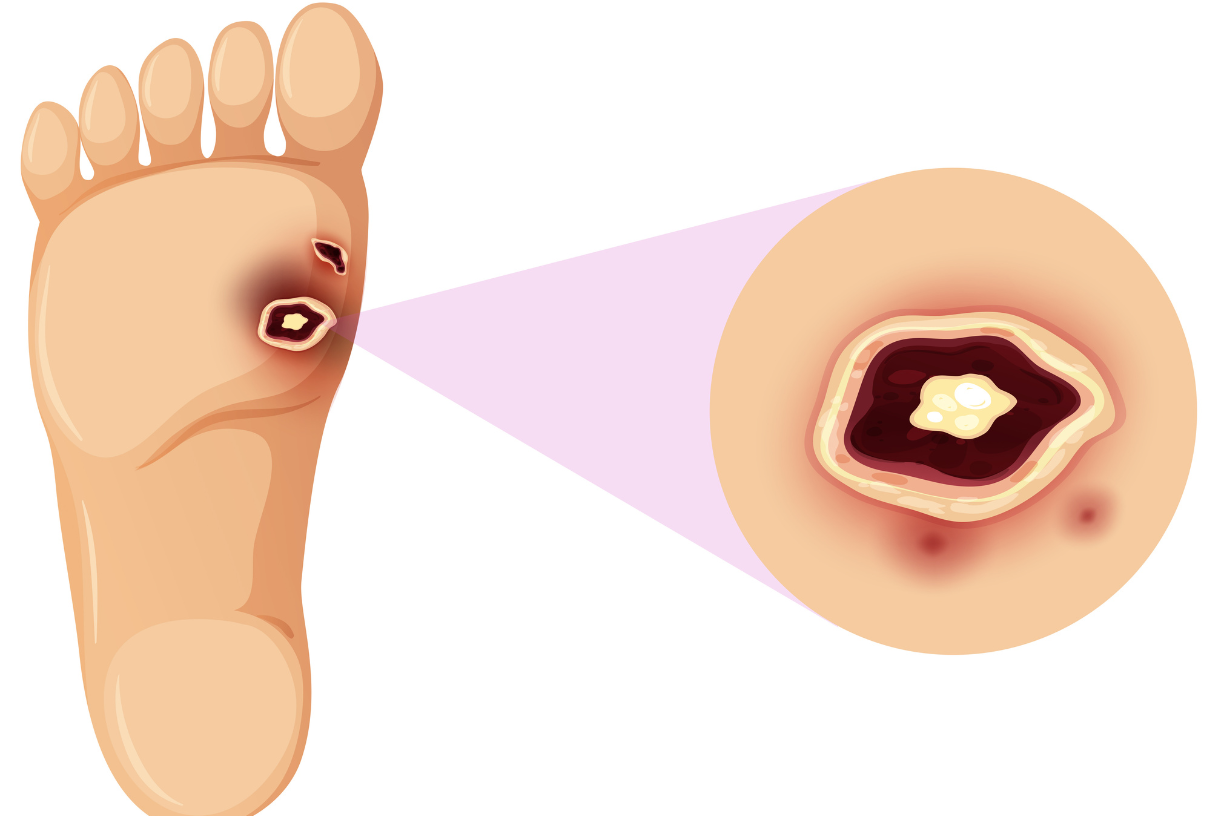
Diabetic foot is not just a wound — it is the result of several pathological processes developing simultaneously:
Nerve damage (neuropathy)
Impaired blood circulation
Long-term high blood sugar
Infection
These factors together disrupt tissue nutrition and make wound healing difficult.
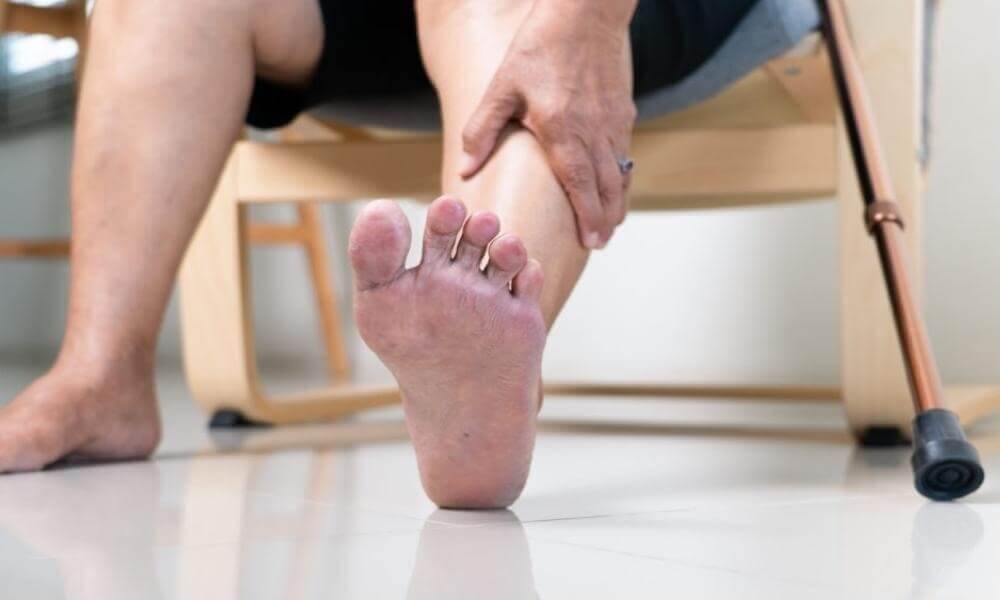
The most common mistake: only local treatment
In practice, a widely распространенный incorrect approach is treating only the surface of the wound:
ointments
dressings
local interventions
However, the main cause of diabetic foot is not on the skin surface but lies in internal metabolic and vascular problems. Therefore, local treatment alone is not effective.
Main causes of diabetic foot
Impaired blood circulation
Chronic infection
Reduced cellular regeneration
Without addressing these problems, wound healing is significantly delayed and complications increase.
Why is amputation recommended?
The decision for amputation is usually considered in the following cases:
Treatment focused only on symptoms
Lack of a comprehensive approach
Delayed or improperly conducted treatment
In such cases, amputation is presented as the “last resort.”
What does the integrative medicine approach change?
Integrative medicine approaches diabetic foot not just as a wound, but as a result of systemic dysfunction in the body.
This approach includes:
Balancing blood glucose
Improving circulation
Controlling infection
Strengthening the immune system
Activating cellular repair processes
The main goal is not just to close the wound, but to eliminate the root cause.
Treatment approach
Bioregulatory methods used in integrative medicine include:
Natural-based preparations
Low-dose and complex action
Minimal side effect risk
Possibility of combining with conventional treatment
These methods help restore homeostasis and activate the body’s self-healing mechanisms.
Importance of genetic and laboratory diagnostics
In some cases, the underlying cause of diabetic foot may be deeper — related to genetic and immune factors.
Therefore, the following tests are important:
Genetic analyses
Infection and viral tests
These analyses allow for personalized treatment planning and increase effectiveness.
Who is at risk?
Patients with long-term diabetes
Those with vascular narrowing or blockage
Individuals with non-healing foot wounds
Those with necrosis (tissue darkening)
Patients with purulent and infected wounds
What should you do?
If you or your relatives have symptoms of diabetic foot:
Do not delay
Consult a doctor for early diagnosis
Do not wait for the wound to worsen
Remember: early intervention can prevent amputation.
Diabetic foot syndrome does not always mean amputation. With proper diagnosis, timely intervention, and a comprehensive approach, it is possible to preserve the limb.
Integrative medicine targets not only visible symptoms but also underlying causes, enabling more effective and long-term results.
Arzu Musayeva – Physician, Integrative Medicine Specialist
For more information contact: (+994 12 / +994 50 / +994 55 / +994 70) 430 89 89
Baku: 3rd microdistrict, Pishavari 110 (Javadhkhan str. 24), near Memar Ajami metro station